
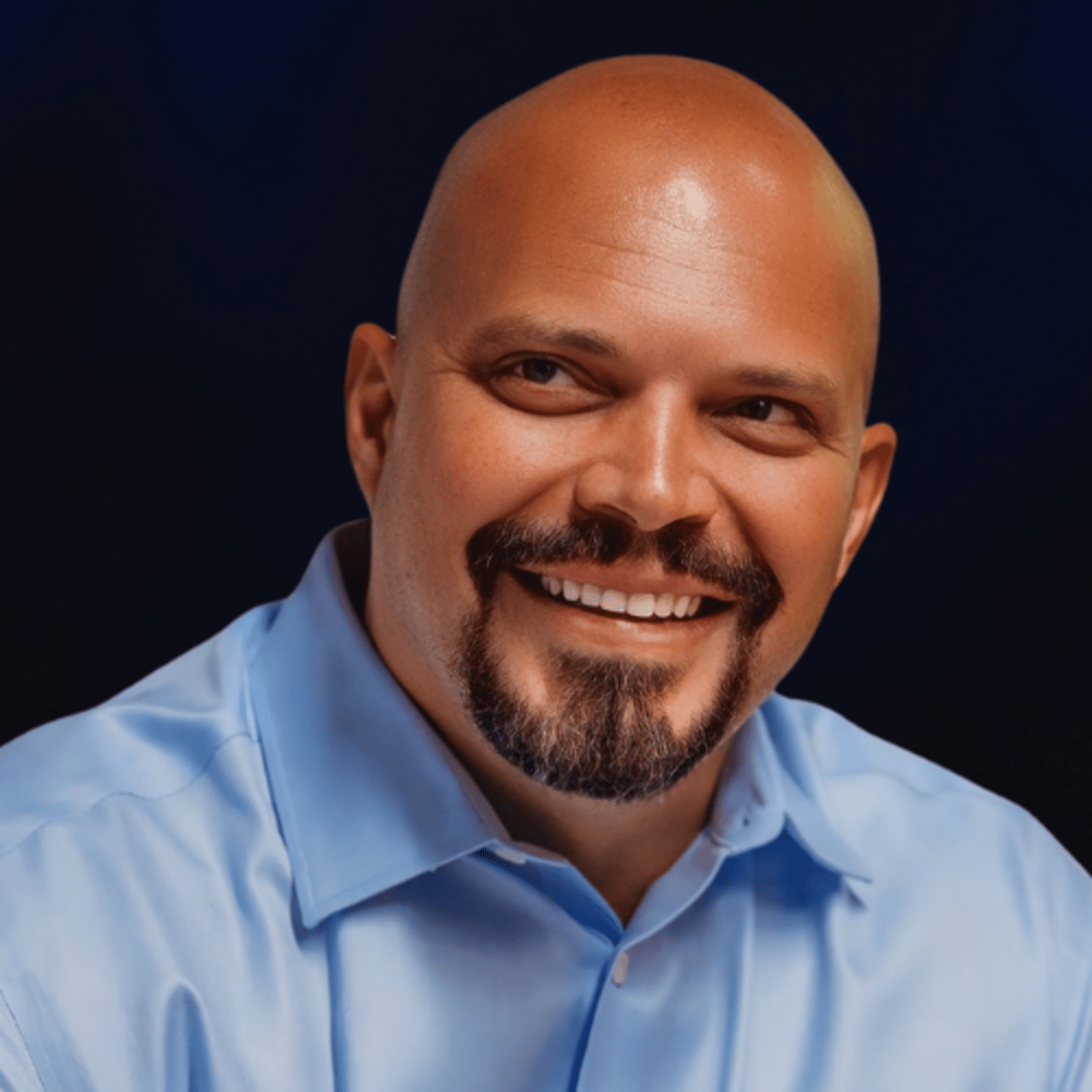


Each week, Steve is breaking down what’s happening in fintech banking with the kind of clarity you get from someone who’s lived through board debates, pricing standoffs, and product launches that either scaled or crashed. This isn’t surface-level commentary. It’s the real story behind sponsor bank partnerships, embedded finance moves, and BaaS programs that most people only hear about after they’ve already succeeded or failed.
FDIC ILC Approvals, OCC Charter Filing Standards, AI Compliance Tooling: The Sponsor Banking Moves That Defined Late June 2026.
The FDIC conditionally approved industrial bank charters for Ford, GM, Stellantis, and Edward Jones since January, and that single fact reframes what sponsor banking looks like for the rest of 2026. Partners with enough capital to clear a $1.5 billion floor no longer need to rent access to insured deposits, which compresses pricing at the top of the partner list and shifts the value conversation toward compliance depth and program speed. Meanwhile, Mercury, Chime, Affirm, and Catena kept moving toward owning their own licenses, AI agents from OpenAI and Robinhood kept taking the customer interface layer, and regulators kept pulling back the supervisory tools banks used to manage shaky partner relationships. WebBank appears to have read the room: it selected Sedric's AI compliance platform on June 15 to automate marketing review across its entire partner book, which may be the most instructive move of the stretch.

Advertisement
The Charter Wave, the Application Queue, the Agent Layer, the Lighter Rulebook, and the Bank That Built Its Own Standard. The First Half of 2026 Did Not Need a Headline to Keep Moving.
Those four approvals did not arrive quietly, and the conditions the FDIC attached to each one are where the real signal lives.
The FDIC Approved Industrial Bank Charters for Ford, GM, Stellantis, and Edward Jones, Giving Nonbank Giants Direct Access to Insured Deposits the Sponsor Bank Used to Supply.
Every sponsor bank that pitches deposit access to a large commercial partner now competes with the partner's own charter. The FDIC has conditionally approved four de novo deposit insurance applications for Utah industrial banks since January, covering Ford Credit Bank, GM Financial Bank, Edward Jones Bank, and Stellantis Bank, and more applications are pending. The approvals carry real conditions, including a 1.5 billion dollar paid-in capital floor for Ford, 667 million for GM, and a 15 percent tier 1 leverage requirement on Ford, GM, and Stellantis. The read is simple. A partner with enough capital to clear those bars no longer needs to rent a charter, so the value has to move to compliance, speed, and program management that a captive bank cannot staff overnight.
Large commercial owners can hold insured deposits without forming a bank holding company, which removes the main reason many of them ever signed a sponsor agreement.
Capital floors in the hundreds of millions keep this option closed to mid-size fintechs, so the near-term threat is concentrated at the top of the partner list.
Source-of-strength and 15 percent leverage conditions signal the FDIC wants these owners funding their own risk, not leaning on the insurance fund.
The charter still takes capital, governance, and a three-year runway on board and officer changes, which is the opening to sell speed-to-market against.
Pricing for top-tier programs will compress as the biggest partners gain a credible build-versus-rent choice.
Now the part nobody filed for in June but everybody set up earlier in the year.
The Charter Wave That Defined the First Half Did Not Pause for Summer, With Mercury, Chime, Affirm, and Catena All Moving to Own the License Instead of Renting It.
Charter independence among partners chips away at the recurring fee base a sponsor bank counts on. Mercury closed a 200 million dollar round and sits on a conditionally approved national bank charter. Chime's chief executive called a charter a question of when, not if. Affirm pushed its installment credit straight into bank and credit union apps. Catena Labs filed for a national trust charter built to bank AI agents. The pattern that ran all year is partners deciding the cheapest charter is the one they hold, and a sponsor bank keeps the relationship only by being faster and cleaner than an in-house build.
Every partner that secures its own license converts from a long-term fee stream into a one-time integration that ends at the charter date.
The strongest programs are the ones most able to leave, so concentration risk and flight risk now point at the same accounts.
Trust and national charters aimed at new uses, including AI agents, show the exit ramp is widening beyond consumer fintech.
Retention now rests on compliance depth and program economics rather than on being the only door to a charter.
Repricing the book around partners who can credibly walk is overdue at most sponsor banks.
The charter race has a new bottleneck, and it is not capital. It is paperwork.
The OCC Clarified the Rules of the Road for Anyone Still Filing, and the Message Rhymes With the Charter Conditions: Come Prepared or Come Back Later.
The charter wave runs on applications, and on June 17 the OCC reminded the line that incomplete ones will not be reviewed, they will be returned. News Release 2026-47 made it explicit: filings missing biographical data, business plans, financial information, or risk-management detail get marked materially deficient and handed back before anyone at the agency reads them in earnest. A returned filing is not a denial, technically, but it resets the clock. In a window where the political environment for charter approvals may not hold indefinitely, that distinction is not a small one.
The OCC's materially deficient designation is not a new power, but formalizing it in a public news release during the heaviest charter application period in decades is likely a signal that the queue is backing up and the agency is managing it actively.
Fintechs that have been treating a charter application as a strategic option rather than an operational project may find the preparation gap larger than expected: governance structures, board qualifications, capital sourcing, and funds flow documentation all need to be complete before the filing lands, not assembled in response to examiner questions.
A returned filing resets the clock, and that reset is a negotiating variable worth understanding; a partner whose charter timeline slips six to twelve months because of a deficient filing is a partner that needs the sponsor relationship to hold longer, which changes the pricing and re-papering conversation.
The OCC's position appears consistent with how the FDIC handled the Ford and GM approvals: conditions were specific, capital floors were high, and the message was that the agency would approve unconventional structures but would not carry applicants across the finish line.
Community banks considering charter conversions or new product lines through the OCC licensing process face the same standard; the clarification applies to all filings, not only fintech entrants.
Then there is the layer that signed on while the headlines slept.

AI is in banking and you don’t need to wait for the Consent Order to get it right. Pre Order at https://www.kyabook.com/ and find out what to do before it is too late.
The Agentic Layer Kept Taking the Customer Relationship Through the First Half, With OpenAI, Robinhood, Fiserv, and FIS All Wiring Decisions Above the Bank.
Control of the customer interface is moving to software that sits over the account, which leaves the sponsor bank holding the deposit and little of the relationship. OpenAI reached into roughly 12,000 financial institutions through a Plaid connection. Robinhood shipped trading and a card that act for the user. Fiserv picked OpenAI and FIS picked Anthropic, putting two core providers on opposite labs. The effect across the half is the same, with the part of the stack a customer actually talks to drifting away from the chartered institution underneath.
Ownership of the interface is becoming the real franchise, and the deposit is becoming the commodity beneath it.
Two core providers backing rival labs means the agent layer reaches sponsor banks through their vendors whether they choose it or not.
An agent that moves money raises fresh questions on authorization, error resolution, and liability that current partner agreements do not answer.
Fee income tied to the customer relationship erodes first when a third party owns the conversation.
Sitting out the agent decision is itself a decision, and it hands the interface to whoever moves.
And the referee kept lowering the bar.
Regulators Spent the First Half Clearing the Path, Stripping Reputational Risk From Supervision and Pushing Agencies to Make Room for Fintechs.
A lighter rulebook reads as good news until it removes a tool a sponsor bank used to police its own partners. The Federal Reserve, FDIC, and OCC jointly removed references to reputational risk from interagency documents in early June, finishing work that began in 2025. The spring brought an executive order pushing federal regulators to make room for fintech activity. The CAMELS rating system drew a revision proposal that loosens long-standing examiner language. The net effect is fewer subjective levers for examiners and, by extension, fewer ready-made reasons for a bank to exit a shaky program.
Losing reputational risk as a supervisory basis removes a clause many banks leaned on to part ways with a partner before a problem matured.
A friendlier posture in Washington pulls more entrants into bank partnerships, which raises volume and dilutes diligence at the same time.
Lighter examiner language shifts more of the judgment call back onto the bank's own risk team.
Doors opening at the top do not change the consent orders that still land on programs with weak controls.
Building internal standards that no longer depend on regulators saying no is now the safer posture.
One sponsor bank did not wait for the next consent order to tell it what the examiner wanted. It went and built the answer.
WebBank Did Not Wait for the Regulator to Ask. It Built the Control Layer Itself.
The last bullet in the regulatory section says building internal standards is now the safer posture. WebBank appears to have taken that seriously. On June 15, the Utah industrial bank, one of the more active sponsor banks in the country and the institution sitting behind Klarna's U.S. savings product, announced it had selected Sedric's AI compliance platform to handle marketing and communications review across its fintech partner roster. The practical effect is a machine-generated audit trail for content approvals and exceptions across every program the bank runs, which removes the kind of manual review bottleneck that quietly breaks down when a BaaS book gets to a certain size.
WebBank's decision to automate marketing compliance across its partner roster is worth watching closely because WebBank runs a large and varied BaaS book, including lending programs, card programs, and now consumer savings; a compliance tool deployed at that scale is being stress-tested against real program diversity, not a pilot.
The shift from manual pre-clearance to AI-driven continuous review addresses one of the more persistent friction points in BaaS: marketing materials from fintech partners move fast, change frequently, and often outpace the bank's ability to review them before they reach consumers, which is precisely where UDAAP exposure tends to build.
For fintech partners, an AI compliance layer at the sponsor bank likely means faster turnaround on campaign approvals and fewer back-and-forth cycles, but it may also mean a more consistent and documented rejection record when content misses the mark, making the compliance relationship more legible in both directions.
Sedric's system generating a centralized audit trail across all partner programs is not incidental; it is the documentation architecture that a bank needs to show examiners it has visibility across every third-party relationship, which has been a recurring gap in consent orders issued to BaaS-active banks over the past two years.
The broader takeaway for sponsor banks still running marketing review on email threads and shared drives: a competitor just automated that function across its entire book, and the distance between their compliance posture and yours just got measurably wider.
The Calendar Says Nothing Happened. The Calendar Is Lying
One real filing landed, the FDIC handing charters to companies that used to be customers, and that single item rhymes with everything the first half already showed. Charters are getting bought, the customer is getting hired away by software, and the rulebook keeps getting lighter, all of it grinding forward while the people who should be watching it are out of office. A sponsor bank that treats a slow stretch as a break is reading the wrong signal, because the trends pulling value out of the model do not take summers off. The work right now is to reprice the book, deepen the compliance edge a captive bank cannot copy, and re-paper the partners most able to leave. Do that, and the next quiet stretch gets spent from a stronger spot.

Takeaway:
The news is light because the bankers are on vacation, but the forces reshaping sponsor banking kept working without them, and the time to respond is now.
From The Source
For those of you wanting a more in-depth look at the articles (and the links to them…)
The FDIC has conditionally approved deposit insurance for four Utah industrial banks since January 2026, backed by Ford Credit Bank, GM Financial Bank, Edward Jones Bank, and Stellantis Bank, with more applications pending. The approvals give large commercial owners direct access to insured deposits without full bank holding company oversight, subject to heavy conditions including a 1.5 billion dollar capital floor for Ford, 667 million for GM, and a 15 percent tier 1 leverage requirement on Ford, GM, and Stellantis. Every sponsor bank and embedded finance program now faces top-tier partners that can own and operate their own banking charter instead of renting one.
The Federal Reserve Board, FDIC, and OCC jointly revised interagency guidance to delete references to reputational risk, completing supervisory changes that began in 2025. The agencies said the updates keep supervisory decisions focused on material financial risks and reduce subjective judgment in third-party relationship oversight. For sponsor banks and embedded finance programs, the change lowers certain compliance friction while removing a longstanding basis some banks used to step away from a risky fintech partner.
The Federal Reserve issued its latest H.2A notices covering applications for bank holding company formations, mergers, acquisitions, and changes in control. The filings show steady structural activity across the banking sector as institutions and fintech-adjacent players adjust to embedded finance and sponsor banking economics. The release is a routine but useful read for tracking which players are reshaping their corporate structure as charter strategies shift.
J.P. Morgan continues to roll out embedded payments, credit, and sub-ledger tools that let marketplaces and software firms build full financial services into their own customer flows. Recent integrations show large banks positioning themselves as direct infrastructure providers rather than only balance sheet sponsors. The approach lets nonfinancial partners keep control of the experience while tapping bank-grade compliance, and it puts the biggest banks in direct competition with sponsor banks for the highest-value programs.
The OCC issued News Release 2026-47 clarifying how it makes decisions on corporate filings, including new charter applications, mergers, and other licensing requests. The agency reiterated that it may approve, conditionally approve, deny, or return a filing, and emphasized that applications missing key elements such as complete biographical and financial information, business plans, or risk-management details may be returned as “materially deficient” rather than advanced into substantive review. A returned filing is not a formal denial, but it effectively resets the timeline and delays any decision until the applicant provides the missing information.
The OCC released its June 2026 enforcement actions in News Release 2026-48, detailing orders against institution-affiliated parties at several national banks. Among the cases, the OCC issued a prohibition order against a former Quontic Bank vice president who worked with unapproved mortgage brokers, falsified or altered loan application information, and misrepresented facts to the bank’s board and examiners, and a separate prohibition against the former CEO of The First National Bank of Lindsay for manipulating the bank’s core system to conceal nonperforming loans. The orders permanently bar the individuals from participating in the affairs of any insured depository institution without prior regulatory consent.
Two OCC proposed rules on regulatory capital—one addressing Category I and II banking organizations and another updating the standardized approach for risk-weighted assets—reached public comment deadlines on June 18, 2026. The proposals are part of a broader effort to revise capital requirements and risk-weighting methodologies, including how certain credit exposures and off-balance-sheet items are treated. While not specific to Banking-as-a-Service, the changes have implications for how banks hold capital against fintech-related credit programs and other embedded finance exposures on their balance sheets.
WebBank, a Utah-chartered industrial bank and one of the most active U.S. sponsor banks behind leading fintech credit and savings products, announced it has selected Sedric’s AI-powered compliance platform to support and supervise marketing and communications across its strategic partner programs. The deal positions Sedric as an AI-driven compliance layer that automates review, monitoring, and documentation of partner-facing content at scale, creating a centralized system of record for approvals and exceptions. The platform is intended to help WebBank maintain consistent oversight of marketing compliance across its fintech partner ecosystem; financial terms of the agreement were not disclosed.
Klarna launched a U.S. high-yield savings account product on June 9, offering rates starting at 3.28% APY with no minimum deposit and no monthly fees, with higher tiers available through Klarna’s membership plans. The account is offered in partnership with WebBank, which provides FDIC-insured deposit infrastructure while Klarna controls the customer experience. The move deepens Klarna’s role in deposit-gathering while it continues to operate through a sponsor bank rather than its own U.S. charter.
Subscribe now to get the first episodes as soon as they drop and stay ahead of the next wave of bank-fintech moves.
Listen on your favorite podcast platform: listen.frominsidethevault.com
Watch full conversations and clips: watch.frominsidethevault.com
Get email recaps and future drops: subscribe.frominsidethevault.com
