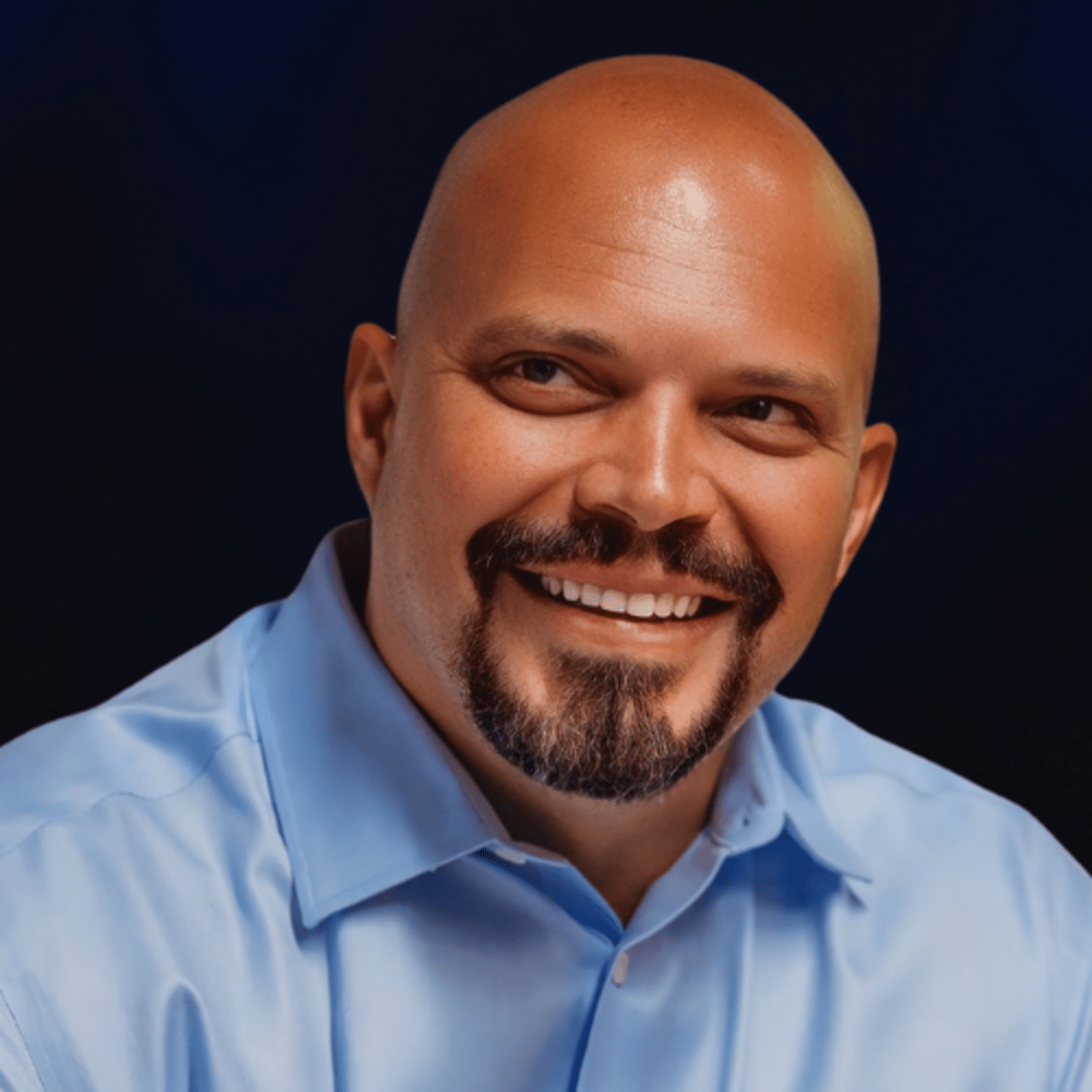


Each week, Steve is breaking down what’s happening in fintech banking with the kind of clarity you get from someone who’s lived through board debates, pricing standoffs, and product launches that either scaled or crashed. This isn’t surface-level commentary. It’s the real story behind sponsor bank partnerships, embedded finance moves, and BaaS programs that most people only hear about after they’ve already succeeded or failed.

Advertisment
Transform your application process with Under. The Under platform revolutionizes how you handle customer applications, offering a seamless transition to digital forms. Say goodbye to outdated processes and hello to efficiency. Discover the future of financial applications at https://under.io/ftc
Advertisement
The Capital Call: Who Owns the Rails This Week
Embedded finance and BaaS are leaning to the owners of rails, capital, and charters. Fintechs chase charters but still depend on sponsor banks for the backbone. Big balance-sheet players buy franchises to lock in scale, while regulators push up the price of loose partnerships. The result: control concentrates with the players who define risk, ownership, and monitoring.
Capital, Charters, and Control
Erebor Bank earned conditional FDIC deposit insurance, with details surface in mid-December 2025 and updated February 4 2026. The guidance calls for 12 percent tier 1 leverage for three years, at least $276 million in paid-in capital, capital call agreements, and a one-year opening deadline. The posture signals heavy capital and governance needs for tech and crypto models.
Charter strategy shifts toward strict terms for direct ownership of risk and economics.
Fintech-backed banks face higher hurdles to secure full charters, shaping sponsor bank partnerships.
Sponsor banks gain leverage as a cleaner structure for fintechs who are weighing charter versus rental paths.
Risk ownership grows more expensive for crypto- and tech-heavy models.
Santander announced on February 3 2026 a cash and stock deal to acquire Webster Financial Corporation aiming for a top ten U S retail and commercial franchise with solid deposits and health savings business. Santander projects 18 percent return on tangible equity in the US by 2028.
Balance sheet owners gain end to end control and durable distribution.
Mid size sponsor banks face tighter economics if they rely on partnerships rather than owning core infrastructure.
Large banks with capital prefer acquisitions over BaaS rentals for scale.
Sponsor banks without scale or a clear niche must redefine their role to stay relevant.
A recent Forbes piece argues that even the largest fintechs still depend on sponsor banks as they pursue charters and expand into lending and funds storage. The point is simple: the banking license and scalable operations stay out of reach for most fintechs, so sponsor banks remain essential partners in the value chain.
Charter ambitions don’t end sponsor-bank reliance: fintechs chase charters, yet banking rails and risk infrastructure stay in sponsor hands.
Licensing and processing scale remain a barrier: sponsor banks provide the foundation that supports growth without duplicating regulation and capital.
From cards to lending and everything else, the risk profile changes: as product offerings broaden, the need for robust governance and compliance grows in tandem with sponsorship.
Core rails stay in sponsor control even as fintechs grow: durable programs and strict controls keep sponsor banks in the critical path.
Finextra published an article that argues embedded finance is no longer a growth afterthought. Banks and corporates must embed to protect control and stay relevant, using API driven partnerships and integrated workflows to own more of the customer journey and data.
Embedded becomes a core capability: banks must weave APIs and workflows into product planning to stay competitive with customers and partners.
End-to-end control tightens: sponsors and platforms push for integrated rails and shared data to steer the customer experience.
Economics favor durable partnerships: scalable, repeatable embedded programs beat one-off deployments and reduce exit risk.
Rails concentration grows: the players who own the embedded stack gain negotiating leverage on pricing, governance, and risk controls.
BDO’s 2026 fintech outlook shows sponsor banks raising the bar on AML, sanctions, and independent audits. The old loose posture is fading; now banks demand verifiable controls and third‑party assurance before, during, and after partnerships. That shift cements who owns the rulebook and the economics.
Detailed compliance specs become standard: banks require precise AML and sanctions standards before onboarding and throughout the partnership.
Independent audits gain traction: ongoing third‑party reviews become a gatekeeper for sustained sponsor‑fintech relationships.
Control moves to the banks that define the rules: sponsors that set governance, monitoring, and audit expectations keep the revenue and the relationship.
Those who don’t tighten risk becoming interchangeable: partnerships that lack rigorous controls are at risk of replacement or termination.
This week’s moves make the new reality unmistakable: control is rapidly consolidating with the players who either own the charter and the capital, control the core rails, or set the governance rulebook. Fintechs can chase their own licenses all they want, but most still depend on sponsor banks for the scalable infrastructure, licensing foundation, and compliance muscle they can’t replicate quickly or cheaply. At the same time, regulators and compliance standards are making loose, low-governance partnerships far more expensive and risky. The banks that come out ahead are the ones that enforce rigorous audits, demand clear economics, and build durable, traceable programs, not the ones content to be interchangeable sponsors.
Sponsor banks, the question is now simple and urgent: which of your partnerships truly justify charter-level risk and capital for long-term fee and deposit flows, and how strong is your governance when fintechs start owning more of the stack themselves?

Takeaway:
Treat every embedded or fintech program as a use of scarce charter capacity, not just fee income. Demand clear economics, end-to-end governance, and designs that examiners can trace without gaps. The win is becoming the bank that fintechs and platforms refuse to lose when they own more of the stack themselves. Control stays with the side that owns the rails, the capital, or the rulebook.
From The Source
For those of you wanting a more in-depth look at the articles (and the links to them…)
Palmer Luckey backed Erebor Bank received a U.S. national banking charter in early February 2026, becoming the first new national bank approved in Trump’s second term and positioning itself as a crypto‑focused, tech‑oriented bank serving AI, defense, and other venture-backed sectors.
Banco Santander agreed on February 3, 2026, to acquire Webster Financial Corporation in a cash-and-stock deal valued at about $12.3 billion to build a top-ten U.S. retail and commercial bank with strong deposits and health savings franchises. Santander targets 18% RoTE in the U.S. by 2028 while meeting CET1 goals. Balance sheet owners secure end-to-end control. This matters for embedded finance and sponsor banks as global players acquire franchises directly, compressing opportunities for mid-size sponsors that rely on willingness to partner rather than essential infrastructure.
This Forbes article explains why major fintechs like Revolut, Nubank, and Brex still need bank sponsor partners, even as they explore or obtain their own banking licenses, because regulated banks provide payments, deposits, compliance, and balance-sheet scale that would be costly and valuation-dilutive to replicate in-house. It highlights Fifth Third’s Newline platform as an example of a large U.S. bank using long-standing payment processing roots and a modern embedded payments stack to power fintech programs that want reliable rails, cheaper capital, and flexible product expansion into lending and fund storage without carrying full charter overhead. The piece positions “invisible banking” partnerships as the default model for global fintech expansion, where sponsor banks own the charter and risk while fintechs control brand, UX, and vertical flows, which is critical context for executives in key fintech hubs like New York, London, São Paulo, and Singapore evaluating sponsor-bank strategy, capital efficiency, and regulatory expectations in 2026.
This Finextra long read explains how embedded finance in 2026 has shifted from a growth experiment to a strategic imperative for banks, fintechs, and large enterprises, as financial services move deeper into software platforms, vertical SaaS, and employer ecosystems. It highlights that embedded finance now shapes customer engagement, employee empowerment, and revenue models, with banks weighing roles as sponsor banks, infrastructure providers, or orchestrators while managing stricter regulatory expectations around due diligence, risk ownership, and data use. The article is highly relevant for executives in North America and Europe who are deciding whether to double down on embedded finance partnerships or concentrate on fewer, higher-quality programs, since it frames embedded finance as a long-term strategic posture, not a side-channel, that will define which institutions control distribution, economics, and compliance standards in 2026 and beyond.
BDO’s 2026 Fintech Industry Predictions report highlights that sponsor banks are tightening requirements for fintech partners by demanding real-time AML transaction monitoring, sanctions screening, and specific KYC and customer due diligence controls before deals or BaaS partnerships can move forward. The outlook notes that banks previously showed higher risk tolerance and looser oversight of fintech compliance programs, but rising regulatory scrutiny and reputational risk are pushing sponsors to impose detailed AML and sanctions specifications and to require annual independent compliance audits as a condition of M&A or program approval. For sponsor banks and embedded finance platforms in the U.S. and globally, this marks a clear shift in control: banks that define the rulebook and push accountability downstream will de-risk portfolios and keep the most valuable relationships and revenue streams, while fintechs must invest heavily in documented AML infrastructure, monitoring systems, and audit trails to stay partner-ready in 2026.
If you care about modern banking, detailed breakdowns of how financial institutions work with fintechs, and partnerships that actually perform, and you want access to candid conversations that usually stay inside the vault, this series is built for you.
Subscribe now to get the first episodes as soon as they drop and stay ahead of the next wave of bank-fintech moves.
Listen on your favorite podcast platform: listen.frominsidethevault.com
Watch full conversations and clips: watch.frominsidethevault.com
Get email recaps and future drops: subscribe.frominsidethevault.com
